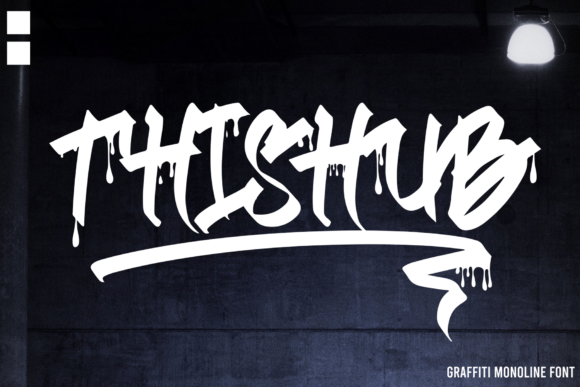
Thishub Font: A Monoline Graffiti Typeface for Creative Designers
I was sitting at my desk, sketching out the first mockup for a local creative studio’s new brand identity. The client wanted something bold, modern, and with an edge that reflected their urban aesthetic. I opened my font library and scrolled through display fonts until I found Thishub. Its monoline graffiti style immediately caught my eye — it wasn’t just a font; it felt like a statement.
Thishub in Logo Design for Urban Businesses
Logo design is where the magic often starts, and for this project, I knew we needed something unique. Thishub brought exactly that energy. With its clean strokes and consistent line weight, it allowed me to create a logo that looked hand-painted but still had the precision of digital typography. I tested it on several variations — from a simple black-and-white version to a vibrant color scheme for merchandise — and each time, it delivered that urban flair without being too chaotic.
What I loved most was how easily it could be adjusted to fit the mood. For a more serious look, I paired it with subtle gradients. For a playful vibe, I added some drop shadows and rotated the letters slightly. It’s clear that Thishub is built to handle these kinds of treatments while maintaining its integrity as a display font.
How Thishub Elevates Brand Perception
The moment I placed Thishub into the logo, the whole concept shifted. It wasn’t just about looking cool anymore — it became about making a visual impression that resonated with the target audience. The monoline graffiti style gave the brand a sense of authenticity and creativity, which is perfect for a business that thrives on originality. Clients can feel confident using this typeface for their logos because it doesn’t compromise professionalism for personality.
Thishub for Packaging and Product Labels
Once the logo was approved, it was time to move on to packaging design. The client sells handmade candles and bath products, so the branding needed to feel both artistic and approachable. I used Thishub as the main headline on product labels and jars. Because it’s a display font, it worked best in short bursts — think taglines or product names — rather than long descriptions.
On one candle label, I combined Thishub with a soft serif font for the supporting text. This contrast helped guide the viewer’s eye from the bold headline down to the details. The graffiti-style letterforms really popped against a matte background, and even when printed in smaller sizes, the font retained enough character to remain engaging.
Design Considerations for Print and Digital Use
One thing I always check before finalizing any font in a brand system is how it translates across different formats. Thishub held up well on both printed packaging and digital mockups for social media posts. On Instagram, the font’s edgy yet balanced style made the brand stand out in a crowded feed. But when I tried it on a product description page, I realized it might not be the best choice for body copy — which makes sense since it's meant for headings and accents, not extended reading.
Still, as a display font, Thishub was incredibly versatile. I used it for hero headlines on e-commerce banners and even for button text on their website, where it added a touch of rebellion to a minimalist layout. Just a few tweaks in spacing and alignment were all that was needed to make it work seamlessly in both environments.
Thishub in Social Media Graphics and Posters
Next up was creating promotional assets for the client’s launch event. I designed a series of posters and social media graphics featuring Thishub as the central typographic element. The monoline graffiti style made it ideal for large-scale prints, especially when I played with layering techniques and overlays to give it a textured, street-art feel.
- Instagram Posts: Used Thishub for the event title and key dates. The font’s distinctiveness helped the posts catch attention quickly.
- Event Poster: Combined Thishub with a sans serif for event details. The pairing kept the design cohesive while ensuring readability.
- Facebook Event Cover: Placed the font behind a transparent gradient to maintain legibility on mobile screens.
Each piece felt like a natural extension of the brand’s personality. The font didn’t distract from the message — instead, it enhanced it by adding a visual rhythm that echoed the brand’s creative roots.
Font Pairing Tips with Thishub
If you're thinking of using Thishub in your next project, here are a few pairing suggestions based on real-world application:
- Sans Serif Fonts: Work great as secondary typefaces for captions or body text. They balance Thishub’s expressive nature with a clean, modern feel.
- Script or Handwritten Fonts: Can add a complementary layer of artistry if used sparingly, such as in taglines or small decorative elements.
- Classic Serifs: Provide a nice contrast for editorial layouts or websites where Thishub is used for headers and titles only.
Remember, Thishub is a display font — it shines when used for emphasis, not for everything. My rule of thumb is to let it lead the visual hierarchy and support it with other fonts that help the content breathe.
Testing Thishub Before Full Integration
Before committing to a full brand rollout, I always test a font in multiple scenarios. For this project, I created sample boards showing how Thishub would appear on a shop sign, a business card, and a label sticker. Each format required different sizing and treatment, but the font remained consistent in quality and style.
On the business card, I scaled it down to a readable size and paired it with a solid black background. The result was minimal but impactful. On the shop sign, I increased the size and experimented with outlines and fills to see how it would hold up under different lighting conditions. In every case, Thishub proved reliable — no wonky characters or inconsistent spacing. That kind of consistency is crucial when building a professional brand identity.
Commercial Use and Licensing
Since the client planned to use the brand on physical products like candles, stickers, and tote bags, I made sure to verify the commercial licensing included with Thishub. As a designer, I always prioritize legal clarity, and it’s reassuring to know that the font can be used confidently across various mediums. If you’re considering Thishub for your own projects, whether it’s for web design or print materials, double-check the license terms to ensure they align with your needs.
Thishub for Editorial and Website Headers
For the client’s blog and website homepage, I needed a font that would make headlines pop without overwhelming the reader. Thishub fit the bill perfectly. I used it for the site title and major section headers. To keep things from feeling too heavy, I applied light stroke effects and limited the number of words per headline.
In editorial design, I layered it over photos and textures to create a dynamic look for featured articles. The graffiti influence added a sense of movement and rawness, which matched the creative tone of the content. Even though it’s a display font, it managed to feel part of a larger, cohesive design language — something that’s not always easy to achieve with more stylized typefaces.
Why Thishub Works for Branding Projects
Branding isn’t just about colors and shapes — it’s also about typography. A font like Thishub can set the right tone from the start. It has that ‘seen it before but never quite like this’ factor that makes it memorable. When I presented the mockups to the client, they were impressed by how it conveyed the right mood — energetic, authentic, and contemporary.
And let’s not forget about recognition. In today’s market, brands need to stand out visually. Using Thishub in key spots like the logo and headers helps establish a strong visual identity that’s hard to ignore. It’s not just a pretty typeface; it’s a strategic design tool.
Thishub in Short-Form Text and Merchandise
Merch design is another area where Thishub really came into its own. We created a line of branded T-shirts and mugs with short phrases like “Create Daily” and “Urban Vibes.” The monoline graffiti style worked beautifully in these formats — concise, punchy, and highly visual. I even used it in a vinyl decal for their storefront window, and the impact was instant.
Because it’s a display font, I made sure to limit the amount of text and avoid anything that might require detailed reading. Instead, I focused on how the font could evoke emotion and connection. The simplicity of the design actually made it more powerful in those small, high-exposure areas.
Practical Advice for Freelancers and Small Studios
If you're a freelancer or working in a small creative studio, Thishub is a fantastic addition to your font arsenal. It’s especially useful for clients who want to break away from generic sans serifs and inject some personality into their branding. Here’s what I recommend:
- Use it as an accent font in otherwise minimalist designs to add a focal point.
- Test it across platforms — from Instagram to packaging — to see how it behaves in real life.
- Consider multilingual support if your client operates in multiple regions. Check if Thishub includes the necessary glyphs and diacritics.
- Don’t overuse it. Keep it reserved for headlines, logos, and short-form statements to maintain clarity and visual balance.
Final Impressions and Real-World Impact
Working with Thishub reminded me why display fonts matter. They don’t just sit there — they tell a story. In this case, the story was about creativity, urban culture, and a fresh approach to branding. The client loved how it gave them a signature look that wasn’t cookie-cutter. It felt authentic, and that’s what they were going for.
As someone who tests fonts regularly for client projects, I can say with confidence that Thishub stands out. It’s not for every project, but when it fits, it’s a game-changer. Whether you’re designing for a boutique, a skincare brand, or a local restaurant, having a font like Thishub in your toolkit means you can offer something truly unique.
If you’re looking for a display font that brings urban style and visual punch to your designs, Thishub is worth exploring. It’s the kind of font that can take your mockups from good to unforgettable — and that’s what clients pay for.